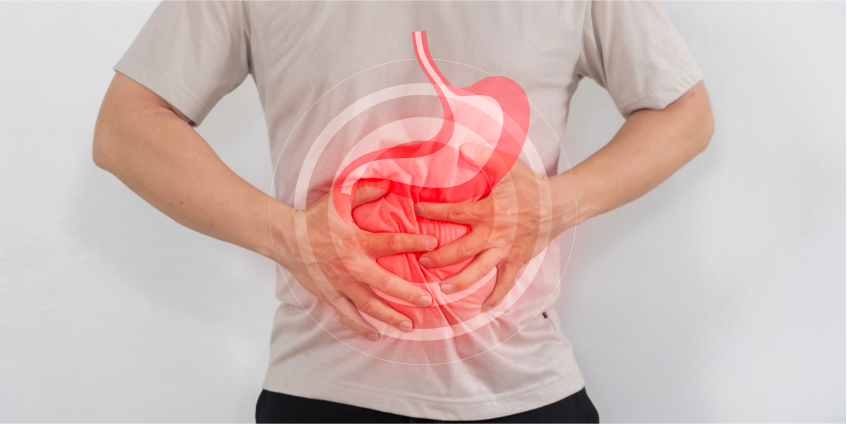
Most people only think about their gut when it's loudly complaining — cramping, bloating, or an upset stomach after a meal. But the gut microbiome, the trillions of bacteria living in your digestive tract, influences far more than digestion. It talks to your immune system, your skin, and even your brain, often long before it sends an obvious signal.
1. Your energy dips for no clear reason
Certain gut bacteria help produce short-chain fatty acids that fuel the cells lining your colon and support steady energy. When the microbiome is out of balance, that supply chain gets disrupted, which can show up as afternoon fatigue that sleep alone doesn't fix.
2. Skin flare-ups that come and go
Researchers have found a consistent link between gut inflammation and skin conditions like eczema and acne — sometimes called the gut-skin axis. If your skin reacts unpredictably to stress or certain foods, your gut may be part of the story.
3. Mood swings that track with meals
Roughly 90 percent of the body's serotonin is produced in the gut. A microbiome under strain can affect how consistently that happens, which is one reason gut health and mood are so closely linked.
What actually helps
Small, consistent changes tend to outperform dramatic resets: eating a wider variety of plant fibers each week, giving meals time to digest before lying down, and limiting ultra-processed foods that starve beneficial bacteria. If symptoms are persistent or severe, a conversation with a gastroenterologist is worth having — this article is general information, not a diagnosis.